

Working for You: The Role of a County Councillor
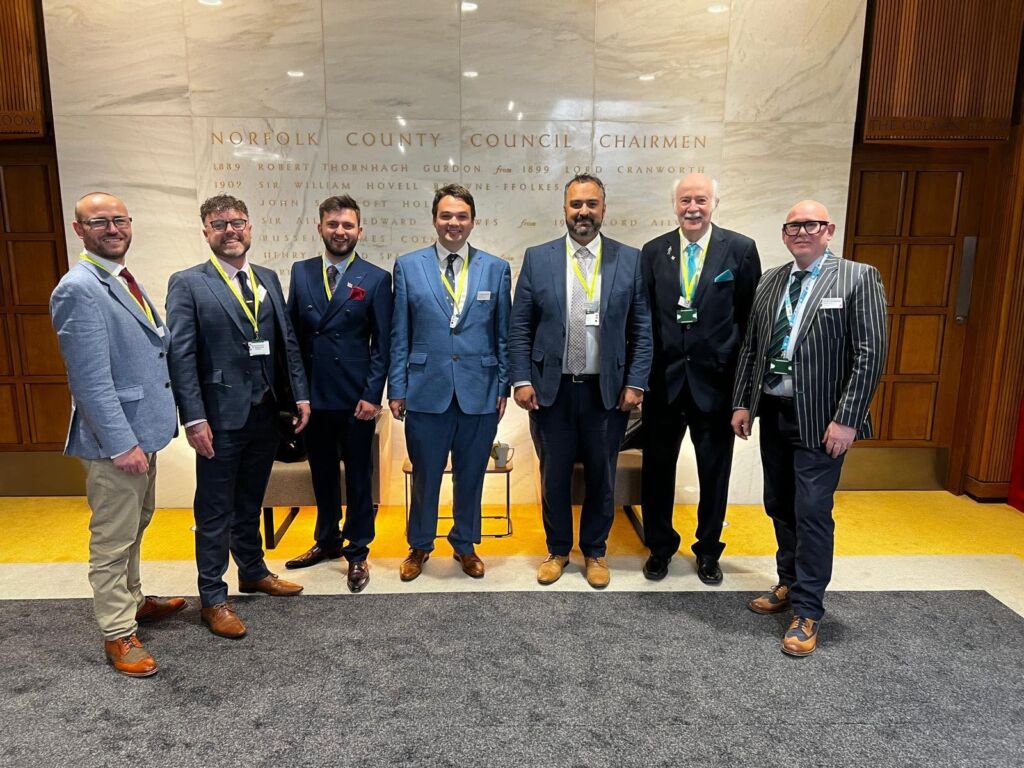
Most people know who empties their bins. Fewer know who fixes their roads, runs their library or funds their child’s special needs support. That’s the county council, and that’s my job.
How the County Council Works
Norfolk has three tiers of local government: county, district and parish. The county handles the big strategic services. That means education, fire, highways (including on-street parking, traffic management and street lighting), libraries, museums, social care, strategic planning, trading standards, transport and waste disposal. Your district council, South Norfolk, handles things like housing, environmental health and bin collections.
Norfolk is split into 84 divisions, each with one councillor. Every councillor is expected to meet residents, advocate for their concerns, keep them informed, make decisions on local services and budgets, and help shape the council’s policies and strategies. Here’s what that looks like in practice.
Working for the Hingham Division
The Hingham Division covers five parishes and two towns: Deopham and Hackford, Wreningham, Wicklewood, Spooner Row, Morley, Hingham and Wymondham. Every month, each of those councils receives a written Councillor Briefing Note from me. Around nine pages, covering what’s happening at County Hall, what it means locally, and my honest view on it. No jargon, no spin. If a decision affects your village, you should hear about it before it lands on your doorstep, not after.
Working to Get Value for Your Money
I’m Vice-Chair of the Strategic and Corporate Select Committee. In plain English, my job is to ask the awkward questions about how the council spends your money. Some of what I’m looking at:
- Special educational needs funding. The deficit on the High Needs Block is forecast to reach £400m by March 2028. Even with government writing off most of it, what’s left is bigger than today’s deficit. That needs a proper plan, not a shrug.
- Council-owned companies. Norfolk County Council owns trading companies including Norse Group and Hethel Innovation. I’m examining whether they deliver value for taxpayers, what liabilities they carry, and whether their boards are up to the job. If the council owns a business, residents deserve to know whether it makes money or loses it.
- Fire and rescue. I attended the inspectorate pre-assessment for Norfolk Fire and Rescue Service. On-call fire engine availability stood at 76.2% against a 90% target. In a rural county, that gap matters, and I want the focus on getting engines to emergencies.

Working with Residents on Local Issues
Much of the job is sorting out issues for residents. Right now that includes:
- Hingham Library. The structural failure at The Fairland has left the town’s library in limbo. I’m pushing for a proper relocation and reminding the council of its legal duty under the Public Libraries and Museums Act 1964 to provide a comprehensive service. A library isn’t a luxury. It’s the law.
- Spooner Row road safety. Residents want a 20mph limit through the village. I’m working with the community to make that case to highways.
- Wymondham station subway. Works on Silfield Road have caused real disruption. I’ve been working with the developers and contractors to reduce roadworks times to get answers for residents.
Working with Our Museums to Grow Income
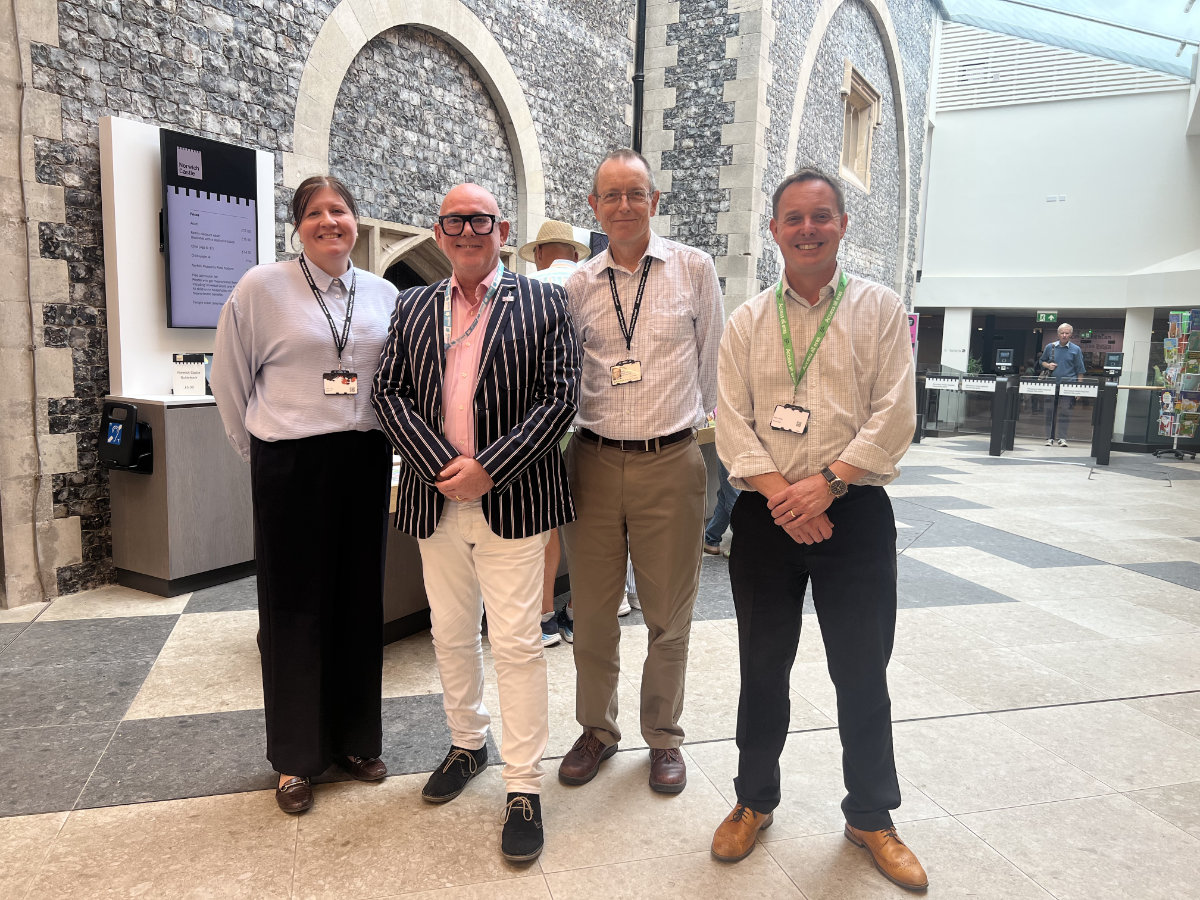
Norfolk’s museums are among the finest in the country, Norwich Castle included. But fine buildings don’t pay for themselves. I sit on the Norwich Castle committee and the Joint Museums Committee, and I’m working with the museums team on a simple question: how do we help these buildings earn more?
Venue hire is a big part of the answer. Weddings, birthday parties, dinner dances, galas and business conferences. People pay good money for a memorable setting, and few settings beat a Norman castle. I’ve met senior museum officers to go through the commercial side in detail: footfall, event space sales and how to bring more visitors through the door.
I’ve also helped build a financial model for the museums team, showing projected income, costs and profit for each type of event over three years. It lets the team test prices, staffing and bookings before committing a penny. That’s how a well-run business does it, and it’s how a council should too.
Every pound a museum earns for itself is a pound less from the taxpayer. That isn’t cutting culture. It’s protecting it.
